
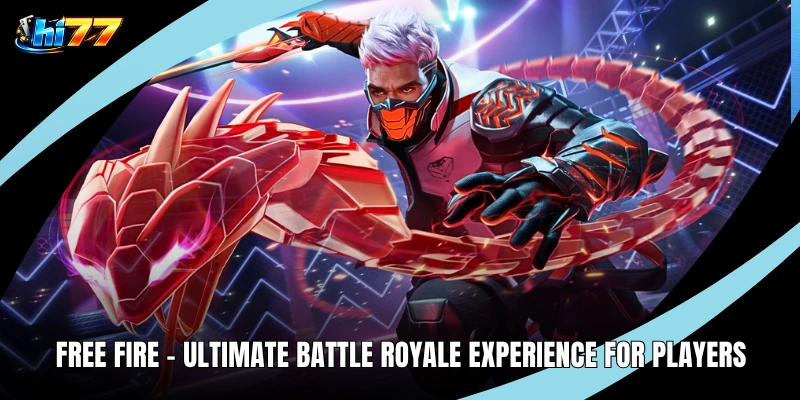
Free fire has revolutionized mobile gaming with fast-paced matches and competitive tournaments that attract millions of participants globally. The game offers unique character abilities, weapon customization options, and strategic team coordination that create unforgettable gaming moments. Every match brings new challenges and opportunities for members to showcase their skills through HI77 platform.
Essential Free fire gameplay mechanics and features
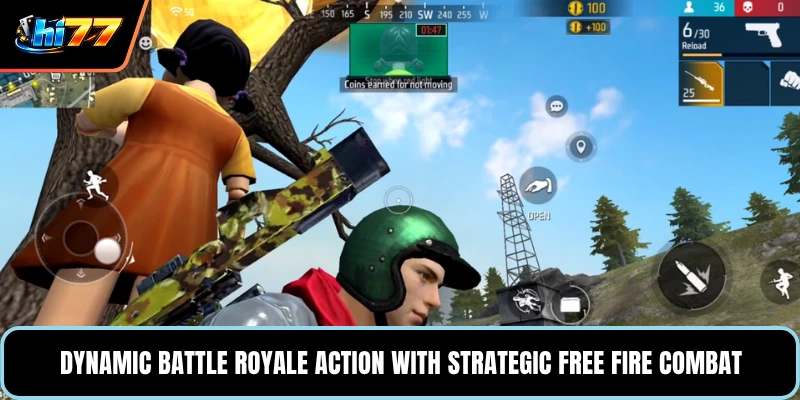
Free fire combines quick reflexes with tactical decision-making to create engaging gameplay experiences for competitive gamers worldwide. Understanding core mechanics helps participants improve their performance and enjoy more victories during intense multiplayer battles.
| Feature Category | Description | Impact Level |
| Character Abilities | Unique skills for tactical advantages | High |
| Weapon System | Diverse arsenal with customization | Critical |
| Map Design | Strategic locations and zones | Essential |
| Team Coordination | Communication and strategy | Vital |
Master Free fire survival tactics effectively
Successful participants focus on landing zones, resource management, and positioning strategies that maximize their survival chances throughout matches. Quick looting techniques combined with smart movement patterns help avoid early eliminations while securing valuable equipment. Map awareness enables teams to predict enemy movements and control high-ground positions during critical combat situations.
Additionally, understanding the safe zone timing allows members to rotate efficiently without getting caught outside playable areas. Free fire rewards participants who balance aggression with caution, knowing when to engage opponents versus avoiding unnecessary conflicts. Developing these fundamental skills creates a solid foundation for competitive success and consistent performance improvements.
Optimize weapon loadouts strategically
Choosing appropriate weapons for different combat ranges significantly impacts your effectiveness during engagements with opponents across various terrains. Assault rifles provide versatility for medium-range fights, while shotguns excel in close-quarters combat situations inside buildings. Sniper rifles enable long-distance eliminations when positioned correctly, creating pressure on enemies from safe vantage points.
Furthermore, understanding weapon attachments enhances accuracy, reduces recoil patterns, and improves overall damage output during intense firefights. Free fire offers extensive customization options that let participants tailor their arsenal to match personal playstyles and tactical preferences. Experimenting with different combinations helps discover optimal setups that complement individual strengths and team compositions effectively.
Develop advanced movement techniques
Mastering parkour elements, slide mechanics, and jump-shot techniques creates unpredictable movement patterns that confuse opponents during confrontations. Crouch-jumping over obstacles, quick peeking around corners, and strafing while shooting all contribute to superior positioning advantages. These advanced maneuvers separate experienced competitors from beginners who rely solely on static aiming skills.
Moreover, combining movement with utility items like gloo walls creates temporary cover during open-field rotations or defensive stands. Free fire mechanics reward participants who maintain constant motion while maintaining accuracy, making them harder targets to eliminate. Practicing these techniques in training modes builds muscle memory that translates directly into better match performances.
Key strategies for Free fire competitive success
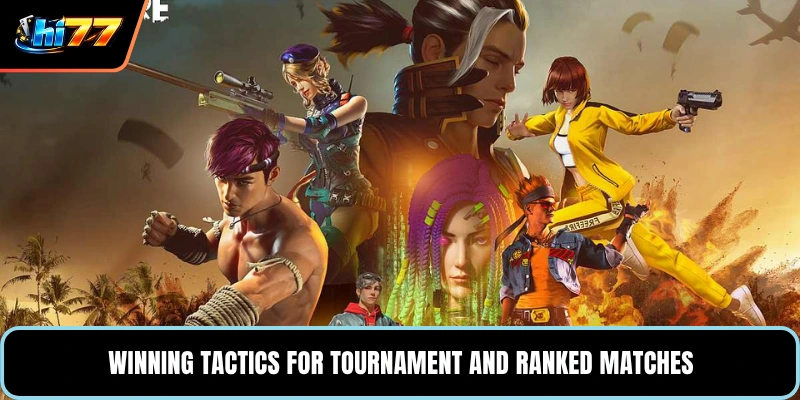
Free fire tournaments demand disciplined approaches, coordinated teamwork, and adaptable strategies that respond effectively to changing match conditions. Participants who study professional gameplay patterns gain valuable insights into meta strategies and winning formulas consistently.
- Early Game Dominance: Securing strong landing positions with quality loot sets the foundation for mid-game rotations and late-game victories. Coordinating team drops ensures maximum resource collection while minimizing vulnerability to third-party attacks from nearby squads.
- Map Control Awareness: Free fire maps contain strategic landmarks, high-ground positions, and rotation pathways that experienced teams leverage for tactical advantages. Controlling these areas restricts enemy movement options while creating opportunities for ambushes and strategic eliminations.
- Resource Management: Balancing ammunition consumption, healing items, and utility grenades prevents critical shortages during extended firefights or multiple engagements. Smart inventory management ensures readiness for various combat scenarios without carrying excessive weight that slows movement speed.
- Communication Excellence: Free fire requires precise callouts regarding enemy positions, available resources, and tactical plans that keep teammates synchronized throughout matches. Clear communication prevents friendly fire incidents, coordinates flanking maneuvers, and enables quick decision-making during high-pressure situations.
- Endgame Positioning: Final circle strategies involve securing optimal cover, predicting safe zone movements, and eliminating remaining opponents efficiently. Teams with superior positioning often win despite having fewer eliminations, demonstrating the importance of strategic placement over aggressive playstyles.
Advanced character selection and team composition
Free fire features diverse characters with unique abilities that create synergistic combinations when selected thoughtfully for team compositions. Understanding ability interactions helps construct balanced squads capable of handling various tactical situations and opponent strategies effectively.
Analyze support role characters
Support characters provide healing capabilities, shield regeneration, and utility enhancements that sustain team longevity throughout extended engagements and tournaments. These abilities become increasingly valuable during final circles when healing items become scarce and survivability determines match outcomes. Dedicated support roles enable aggressive teammates to take calculated risks knowing backup assistance remains readily available.
Furthermore, support abilities often include area denial tools, movement speed boosts, and detection capabilities that enhance overall team awareness. Teams incorporating dedicated support members demonstrate improved coordination, survive longer under pressure, and recover more effectively from unfavorable situations. Balancing support characters with aggressive roles creates well-rounded compositions prepared for diverse combat scenarios.
Utilize aggressive assault specialists
Assault-focused characters excel at initiating fights, applying pressure to opponents, and securing eliminations through enhanced combat statistics and abilities. These specialists lead pushes during advantageous moments, create openings for teammates, and punish hesitant opponents effectively. Entry fraggers using assault characters draw enemy attention while teammates capitalize on distracted opponents.
Additionally, assault abilities often include damage amplification, faster reload speeds, and improved weapon handling that maximize offensive potential. Teams benefit from having at least one dedicated assault specialist who takes point during engagements and controls fight pacing. Understanding when to activate aggressive abilities versus conserving them for critical moments separates effective assault players from reckless ones.
Implement defensive anchor positions
Defensive characters specialize in area control, damage mitigation, and fortification abilities that secure positions during rotations and final circles. These anchors provide stable foundations from which teams operate, offering fallback positions when aggressive plays fail unexpectedly. Defensive specialists excel at holding buildings, controlling chokepoints, and denying enemy advances through strategic ability usage.
Moreover, defensive abilities create time for teammates to heal, reload, and reposition during intense firefights without full disengagement. Teams with strong defensive anchors demonstrate superior resilience, maintain composure under pressure, and convert defensive stands into counterattack opportunities. Coordinating defensive abilities with aggressive pushes creates overwhelming pressure that opponents struggle to counter effectively.
Conclusion
Free fire continues evolving with new content updates, competitive tournaments, and gameplay refinements that keep the experience fresh for participants. Mastering fundamental mechanics, developing strategic thinking, and maintaining consistent practice schedules all contribute to meaningful skill progression and competitive achievements. The platform provides endless opportunities for improvement through HI77 community engagement and tournament participation.